
-
The Story of Francis v. United Jersey Bank: When a Good Story Makes Bad Law
Jay B. Kesten and Reinier H. Kraakman
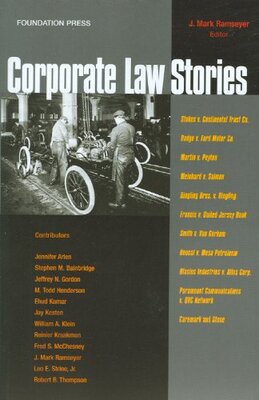
This book chapter, which appears in Corporate Law Stories edited by Prof. J. Mark Ramseyer, examines the New Jersey Supreme Court case Francis v. United Jersey Bank. Excerpt: Most students of American corporate law recognize the New Jersey Supreme Court’s opinion in Francis v. United Jersey Bank as a paradigmatic illustration of the director’s duty of oversight. The basic facts of the case are well known: Mrs. Pritchard, the ‘‘proverbial poor widow’’— elderly, ill, and addled by alcohol—served as a director of the family’s company to accommodate her husband. After his death, her sons took control of the enterprise, and converted more than $10 million of funds held in trust by the company for their own personal use. Though Mrs. Pritchard had no knowledge of this misconduct—and, indeed, virtually no involvement in the business—she was held liable for the entire loss in her capacity as a director. In so holding, the court reasserted the traditional majority view in American law that all directors are subject to a minimum, objective duty of attentiveness, which they must attempt to fulfill in good faith.
Printing is not supported at the primary Gallery Thumbnail page. Please first navigate to a specific Image before printing.